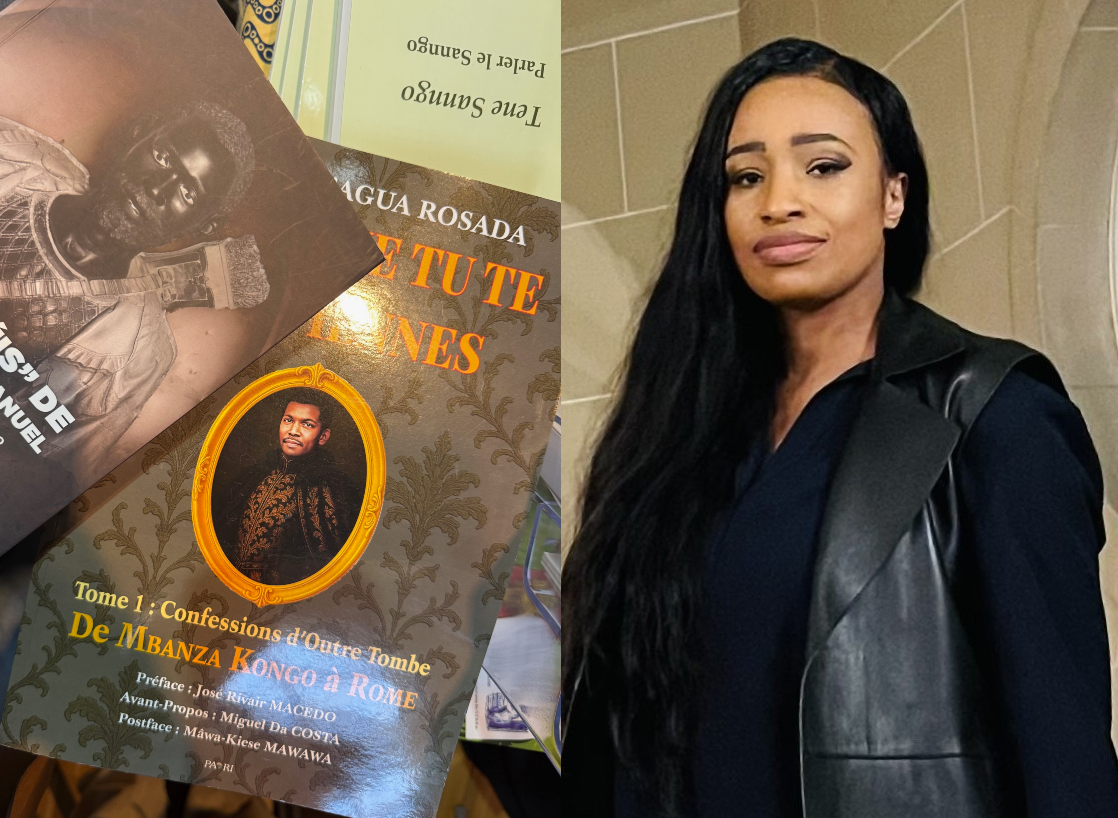
Congolese producer and director Mona Mpembele D’Agua Rosada, based in Belgium, publishes an original graphic novel, Confessions from Beyond the Grave: From Mbanza-Kongo to Rome, released on March 18. In this work, she revives the little-known story of Dom Antonio Manuel Nsaku Ne Vunda, the first ambassador of the Kingdom of Kongo sent to Rome, whose voice emerges from the afterlife to recount his own destiny.
In this immersive and rigorously documented first volume, readers are drawn into a true visual and historical fresco retracing the extraordinary journey of the man also known as the Marquis of Funta, Nigrita, or the Moorish Ambassador of Kongo. From Mbanza-Kongo to Rome recounts the trials, political intrigues, and countless obstacles that marked this four-year diplomatic mission.
This interview, which the author gave to Africanshapers, is complemented by insights from Brazilian professor José Rivair Macedo, a specialist in ancient African societies, and Dr. Mawawa Mâwa-Kiese, the book’s editor, further enriching this vibrant narrative at the crossroads of memory, history, and storytelling.
Your name is Mona Mpembele, but you chose the name D’Agua Rosada for this book. Why?
I chose this name because the Agua Rosada represent the last ruling dynasty of the Kingdom of Kongo. The last effective sovereign of Kongo belonged to this dynasty.
I myself belong to this dynasty through my mother. My grandmother is the granddaughter of the last effective sovereign of the Kingdom of Kongo, who also belonged to the Agua Rosada dynasty , the last ruling dynasty.
So I chose to use this surname as a writer to highlight both a historical and family connection. As a journalist, filmmaker, and producer, I am known as Mona Mpembele. However, in my writing, I wanted to claim the Agua Rosada name in order to shed light on this historical heritage, which is still largely unknown.
Can you tell us a bit about this dynasty?
The Agua Rosada dynasty emerged after the Battle of Mbwila, a major historical event during which a large part of the Kongo nobility was decimated. This battle followed a conflict between the sovereign of Kongo and the Portuguese governor, as well as the Kingdom of Portugal itself. The dispute notably concerned the padroado system, which reflected Portugal’s desire to exercise a form of control over Kongo.
For several centuries, Kongo monarchs had already shown resistance to this domination. They asserted their sovereignty and claimed equality with other international monarchies.
Under the reign of Afonso I, the Kongo experienced a true golden age. At that time, it established itself on the international stage and developed important diplomatic relations with Europe and other powers. The successors of Afonso I then tried, as best they could, to maintain this influence and these diplomatic relations.
What is the book about?
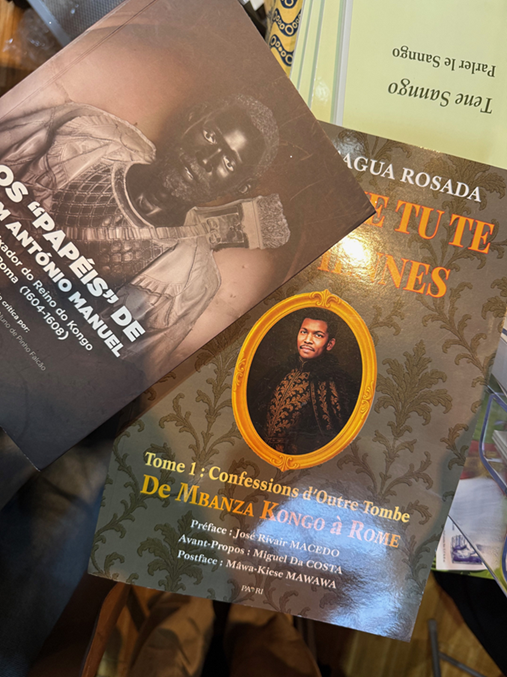
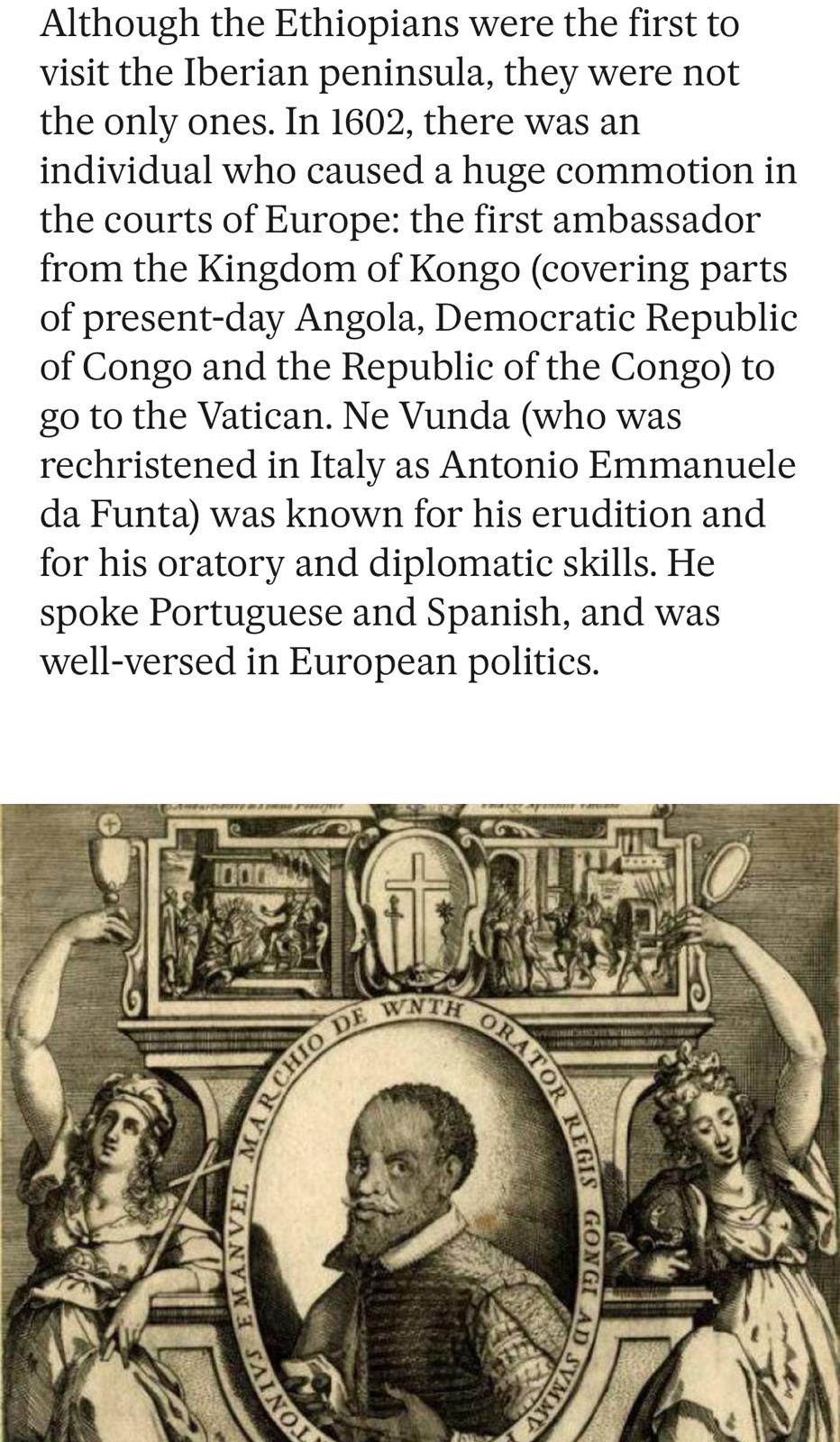
The book recounts the epic journey of Dom Antonio Manuel, better known as Nsaku Ne Vunda, the first Kongo ambassador to Rome. He was appointed by Mani Kongo Álvaro II. In 1604, he was accredited by Álvaro II as Extraordinary and Plenipotentiary Ambassador of the Kongo to Pope Paul V at the Vatican.
He left Mbanza Kongo in January 1604 and arrived in Lisbon in 1606. His delegation faced strong hostility from the Portuguese and Spanish governments, which imposed various political and diplomatic obstacles, as well as logistical constraints, to prevent him from carrying out his mission in Rome.
He finally arrived in Rome in 1608, sick and exhausted after more than four years of travel, and likely weakened by poisoning in Lisbon or Madrid. Antonio Manuel died on January 6, 1608, three days after completing his accreditation mission to Pope Paul V. Pope Paul V ordered funeral rites worthy of a legate; he was buried in the Roman Basilica of Saint Mary Major.
Through his journey, I wanted to tell the story of the Kongo as a whole. An ambassador represents his country, and he seemed to me to be the ideal figure for this narrative.
When I presented the project to my editor, Professor Mawawa Makiese, he pointed out that the material was too dense for a single book. We therefore decided to structure the project into three volumes in order to better develop this story.
Can you present the different volumes?
The first volume, titled Confessions from Beyond the Grave, focuses on the ambassador’s odyssey, from his departure from Mbanza Kongo to his arrival in Rome.
The second volume will explore precolonial Kongo and its diaspora in greater depth, while the third will be devoted to influential female figures of Kongo. In the first volume, the emphasis is placed on the ambassador’s journey, although figures such as Donna Joana already appear, particularly because she was part of the delegation. At the time, diplomatic missions often included several people, including women.
What motivated you to write this book?
Since my childhood, the story of Kongo and the Manikongo was naturally part of our family environment. For us, this narrative was nothing extraordinary; it was simply normalized. When I was in primary school in Congo, during the Zaire era, we studied the history of the Manikongo. One day, when I came home, I told my mother that we had studied the history of Kongo and the Manikongo. She replied that this story also concerned us directly, because we are descendants of the Manikongo.
Thus, from childhood, I integrated this historical and family dimension. There were periods when I was very interested in the history of Kongo, and others when this interest was less present. But it was really in the early 2000s that I began to develop a more scientific approach.
In what way?
At that time, I began conducting in-depth research on precolonial Congo. Before that, I mainly had fragments of information from readings, family stories, and oral traditions, particularly on my mother’s side.
The arrival of the internet in the early 2000s helped me greatly, as access to information became much easier. This allowed me to deepen my research and explore the history of the Kingdom/Empire of Kongo in a more systematic way.
In the early 2010s, I became more involved in audiovisual production. I signed a contract with the Belgian television channel Télé-Bruxelles, where I produced a weekly program titled Afrikavision, the same name as the platform I had created.
The program mainly addressed African cultural issues: social, artistic, and cultural topics. We did not deal with political matters. The show enjoyed a certain level of success. It aired every Sunday and was rebroadcast during the week. Each episode lasted about twelve minutes and presented different aspects of African culture.
Alongside this television work, I was approached by the Africa Museum, now considered the largest museum in the world dedicated to Central Africa.
I was invited to participate in the consultation committee between the Royal Museum for Central Africa and African associations. At that time, there was already a project to decolonize the museum. The Africa Museum generated significant criticism within parts of the African diaspora. For many people, the place still symbolized, both physically and symbolically, the trauma of the colonial period. For example, a particularly striking phrase was displayed in the museum: “Belgium brings civilization to Congo.” Personally, this statement troubled me.
I knew that Belgium had existed only since 1831, that is, since the 19th century. Yet the history of Kongo dates back several centuries earlier. The idea of a “civilizing mission” therefore seemed deeply incongruous to me.
In the family narrative in which I grew up, we already spoke about journeys made by certain figures from the Kingdoms of Kongo to Europe. We knew that exchanges, travel, and diplomatic relations between Kongo and Europe existed long before colonization.
What was the turning point in your research?
The real breakthrough came during a trip to Rome, two years before the Covid-19 pandemic. I visited the Basilica of Saint Mary Major, where I discovered the space dedicated to the Kongo ambassador, Antonio Manuel.
This discovery left a strong impression on me, and I returned several times. I began to wonder who this ambassador really was.
Antonio Manuel was a Kongo ambassador who had left Mbanza-Kongo in 1604 and arrived in Rome in 1608.
In 2018, I finally went to see Antonio Manuel’s tomb in Rome. Visiting the Basilica of Saint Mary Major, like St. Peter’s Basilica, one is struck by the artistic beauty of the place: the mosaics, the gold, the architecture.
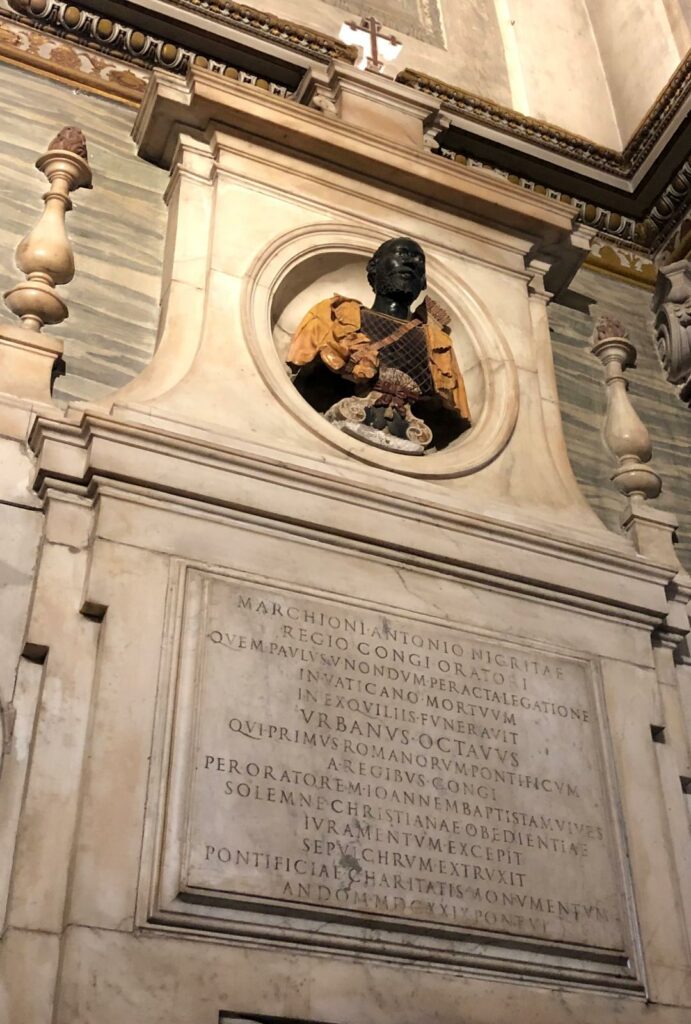
After several visits, I felt that I absolutely had to do something about the figure of Antonio Manuel, the Kongo ambassador. To me, he represented a very important historical heritage.
At that time, I had already completed several audiovisual projects. I had also worked at the European Parliament, which allowed me to gain a certain level of institutional credibility, both in Belgium and at the European level.
Moreover, since 2012–2013, I had already been part of the experts consulted by the Belgian state in the context of the decolonization process, particularly for the renovation of the Africa Museum and reflections on colonial heritage.
When did you concretely decide to turn it into a project?
Given my expertise and experience, I quickly realized that it would be impossible to talk about decolonization or the Congo without also addressing precolonial Congo and the history of its kingdoms. This is an essential dimension of our history.
In my case, there is also a very strong personal connection, since it is both a biological and family link. In a way, I already felt connected to this history from a genetic and cultural perspective. For me, it almost became a moral obligation to take an interest in it and to tell its story.
When I went to Rome and discovered the story of this ambassador from the Kingdom of Congo, that conviction was strengthened. I felt a kind of inner urgency. I told myself that if I did nothing to tell this story, I would not be at peace with myself.
I even developed a sort of obsession. I began to think very seriously about how I could tell this story.
At first, you were thinking more of an audiovisual project, weren’t you?
Yes, absolutely. My initial plan was to make a documentary film. I had already co-directed a documentary before, which was broadcast and very well received. In addition, I had produced several projects for Belgian television, including the program Afrikavision. My projects had always been well received. So I thought I could make a documentary dedicated to this ambassador of the Kongo.
What struck me in particular was the historical contrast. This ambassador died in 1608, more than four hundred years ago. Meanwhile, Belgium as a state has existed since 1831, less than two centuries. Yet it long claimed to have brought a “civilizing mission” to the Congo.
To me, the story of this ambassador was already, in itself, proof to the contrary. It shows that the Kongo already had diplomatic institutions and international relations long before colonization.
Moreover, I had already heard about this ambassador within my family. One of my uncles often spoke about this historical figure. He would say, “It’s Nsaku; he is sacred.”
In the tradition of the Kingdom of Kongo, the term Nsaku refers to something holy or sacred. This ambassador’s full name was actually Antonio Manuel Nsaku Ne Vunda.
Within my family, particularly on the Angolan side, some people held a very special form of respect for him. I have family in Angola and in the Democratic Republic of the Congo. My Angolan uncle, who speaks Portuguese, often spoke of him with great reverence. It was from that point that I realized I truly had to make a documentary about this ambassador.
And how did the project evolve at that point?
I first got in touch with a Belgian production company, a major studio with which I already had professional connections. I knew the producer personally.
After doing some research online, he said to me, “Mona, this person really existed, but there is almost no information available about him.”
Indeed, only a few very brief details exist: we know that he left the Kongo in 1604 and died in Rome in 1608. Beyond that, there is very little accessible documentation.
The producer then asked me, “What do we do with so little information?”
It was precisely at that moment that I realized this lack of information was actually an opportunity. The more gaps there were, the more it meant that research needed to be done and a historical narrative reconstructed. Before making a film, it was first necessary to create a solid historical storyline.
So that’s when you began your academic research?
Exactly. The first thing I did was contact the Pontifical University in Rome. I reached out to a specialist, Professor Martinez Ferrer, who works at the Pontifical Lateran University. I wrote to him without knowing if he would reply. And in the end, I did receive a response. I was very surprised and very happy to see that he had replied.
At that point, I sent him various family documents. In particular, I shared photographs of my family in Mbanza Kongo, as well as pictures of Dom Pedro Mvulu, who is my grandmother’s father. Some of these images date back to the 1880s.
When Professor Martinez Ferrer saw these documents, he became very interested. He realized he was dealing with a descendant of a family connected to the Mani Kongo. In return, he shared historical information with me about Antonio Manuel. Some of these sources were in Italian or Portuguese, so I began working with these languages and translating documents in order to continue my research. It was at that point that I fully grasped the historical importance of this ambassador.
Even though he remains little known today, he represents an extremely powerful figure both symbolically and historically. He can be considered one of the first Black African ambassadors in the history of diplomatic relations with Europe. There is also a strong symbolic dimension surrounding his figure. Professor Martinez Ferrer himself sometimes draws a symbolic comparison with the figure of a Magi. I am not claiming that he was a Magi, but this analogy exists in certain symbolic interpretations.
Indeed, he held the title of Nsaku, which corresponds to a very important position within the Kongo, sometimes compared to that of a viceroy. My uncle had already explained this aspect of the Nsaku role to me.
With the spiritual and political dimension associated with this position, some people draw a symbolic parallel with the Magi.
From that moment on, I intensified my research. I contacted several specialists, including José, as well as other researchers.
In Belgium, responses were sometimes more hesitant, or the information limited. In fact, many people still knew very little about this history. It was precisely for this reason that I felt it was all the more important to pursue this work of research and transmission.
So your research expanded further?
I continued my research internationally, notably at the Vatican and in Lisbon, where I uncovered materials related to the reign of Afonso I. I also traveled to Luanda and Mbanza-Kongo, where I am now in contact with the curator of the local museum, a very symbolic place for my family, as it is connected to the residence of King Pedro V.
I also benefited from the support of several researchers, including José Rivair, who provided essential academic guidance. Brazil was also an important avenue, given its historical ties to precolonial Congo. A large part of the Afro-descendant population there comes from the diaspora linked to the transatlantic slave trade, with strong Congolese roots.
When some sources in Europe were limited, I turned to Brazil. José Rivair shared valuable, sometimes unpublished information with me, particularly about the ambassador’s journey.
You also incorporated other historical female figures…
As my research progressed, I discovered Doña Joana. I then became aware of the presence of an important female figure in this history. Figures such as Kimpa Vita, also called Doña Beatriz, or Doña Ana de Sousa, Queen Njinga, are often mentioned. Yet other influential women of the Kongo remain much less visible in historical narratives. For me, discovering Doña Joana was pivotal. She embodies the feminine presence of the Kongo, which is far too rarely highlighted.
There were especially influential Kongo princesses, one of whom even played a significant role in relations with the Church and the Pope. I therefore chose to develop part of the narrative around this figure. To me, Doña Joana became a way to give life to this feminine dimension of the Kongo, which remains largely unknown.
However, the work as a whole remains centered on the ambassador. His story is still the main thread of the narrative.
Why did you choose the graphic novel format?
I chose the graphic novel format to allow readers, especially younger ones, to visually imagine the Kongo. Historical narratives have long been biased by the ideology of the “civilizing mission,” which conveyed a caricatured image of Africans. For example, it was suggested that the Congolese wore only rudimentary clothing, whereas they actually had elaborate attire, palaces, and maintained exchanges with Europe.
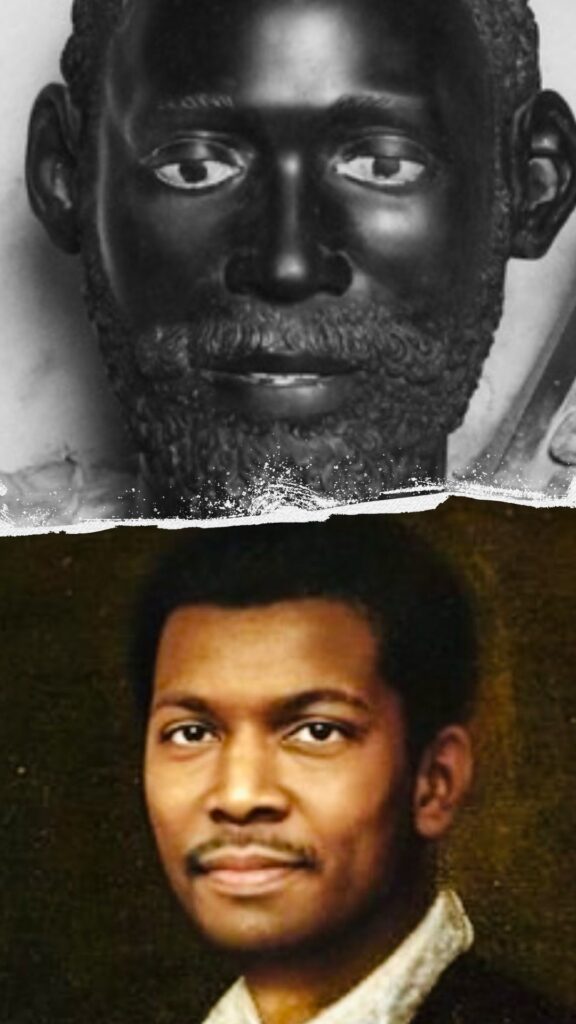
Visuals are therefore essential to correct these misconceptions. The book contains illustrations generated using artificial intelligence, but always based on historical sources: period drawings, missionary sketches, accounts, and old documents. Each image is grounded in existing documentary evidence to faithfully convey the historical reality of the Kingdom of Kongo.
For me, showing is as important as explaining. The visual aspect contributes to a process of decolonizing the gaze, allowing the audience to better understand the richness and sophistication of precolonial Congo.
What is the significance of this approach today?
For a long time, part of this history was made invisible, particularly during the colonial period. Certain historical elements, though known, were not highlighted.
Yet documents exist that demonstrate the level of development of the Kingdom of Kongo, such as correspondences from King Afonso I dating back to the sixteenth century. These sources show that the Congolese elites mastered writing, languages, and diplomatic codes long before colonization.
It is therefore essential today to shed light on this history, particularly through accessible visual media.
How long did you work on this book?
This project took me between five and six years. It was not continuous work: there were periods of pause, sometimes lasting an entire year, followed by more intense phases of activity. The real turning point was my meeting with José Rivair Macedo, which allowed me to access more solid scientific documentation. This gave my work a more rigorous academic framework.
Moreover, the project was greatly enriched by research conducted in the Americas, particularly in Brazil and the United States, with institutions such as Kongo Academy. In these regions, there is a strong intellectual movement focused on reclaiming African history, linked to the legacy of the transatlantic slave trade.
There are also researchers such as John Thornton from Boston University, who worked on the correspondence of Afonso I, and Cécile Fromont, who worked at Yale and the University of Chicago, and studied the history of clothing in the Kingdom of Kongo. I also discovered a photograph of the bust of Ambassador Ne Vunda taken by W. E. B. Du Bois, a major figure of the early Pan-African movement. In fact, the first Afro-American Pan-African movements seriously explored the history of precolonial Congo, sometimes even before Congolese researchers themselves.
One of the most striking aspects of my research concerns the cultural and material wealth of precolonial Congo. Many people are unaware that there was a true “Made in Kongo” luxury.
What did this wealth consist of?
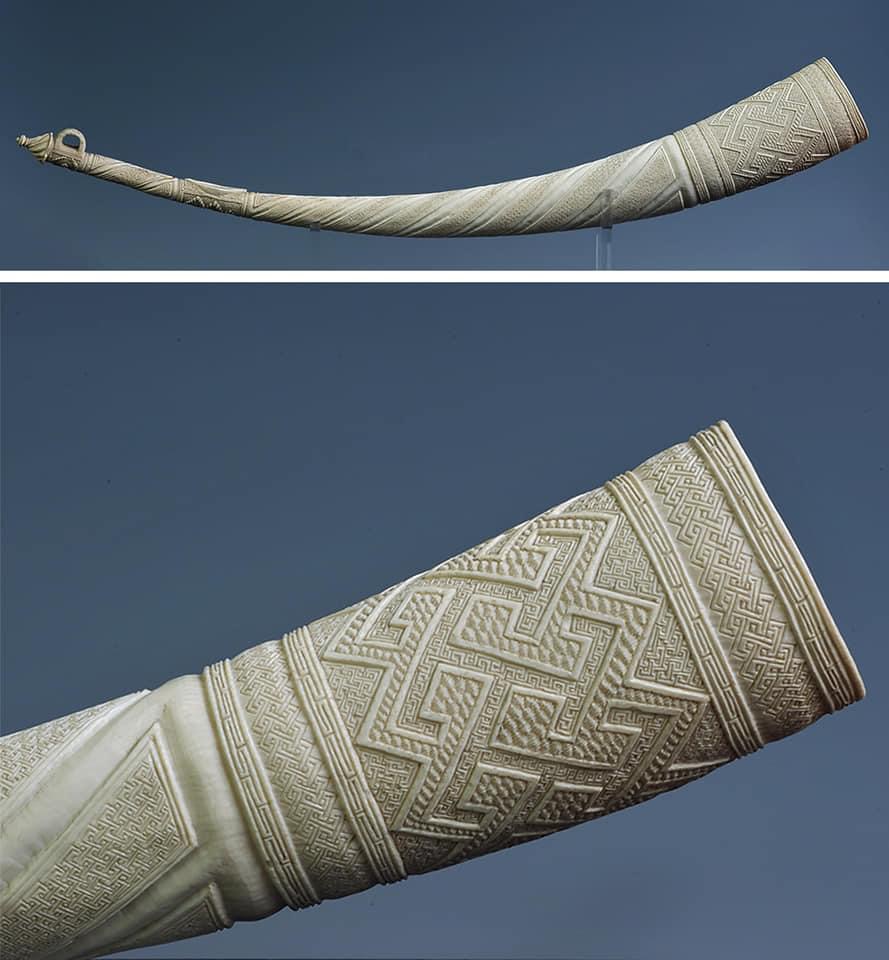
For example, King Afonso I of Kongo offered an olifant to Pope Leo X in 1518. This object was preserved for a long time at the Metropolitan Museum of Art in New York, where it was studied. Specialists themselves recognize the complexity of the engravings and the artistic craftsmanship of this object. It testifies to an exceptional artistic level. Similarly, the Medici family collected Congolese art objects. I even discovered that they had gold and silver mounts made to display olifants and ivories from Kongo.
There was also a genuine economy and sophisticated craftsmanship, with highly elaborate raffia textiles. Only two or three years ago, I discovered the existence of Makuta, which were forms of currency made from raffia cloth. These textiles featured complex geometric patterns, often in the form of diamonds and symbols. These elements are well known in academic circles but remain largely unknown to the general public.
This is precisely where my objective lies: to popularize this knowledge.
Today, many young people are interested in African history through social media, but they are not always aware that solid academic research already exists. My work therefore consists of building a bridge between these two worlds. That is why the visual dimension is central. It is not just about telling the story, but also about showing it, showing the richness, complexity, and magnificence of the Kongo. Because seeing helps dismantle misconceptions.
How can people reconnect with this history today?
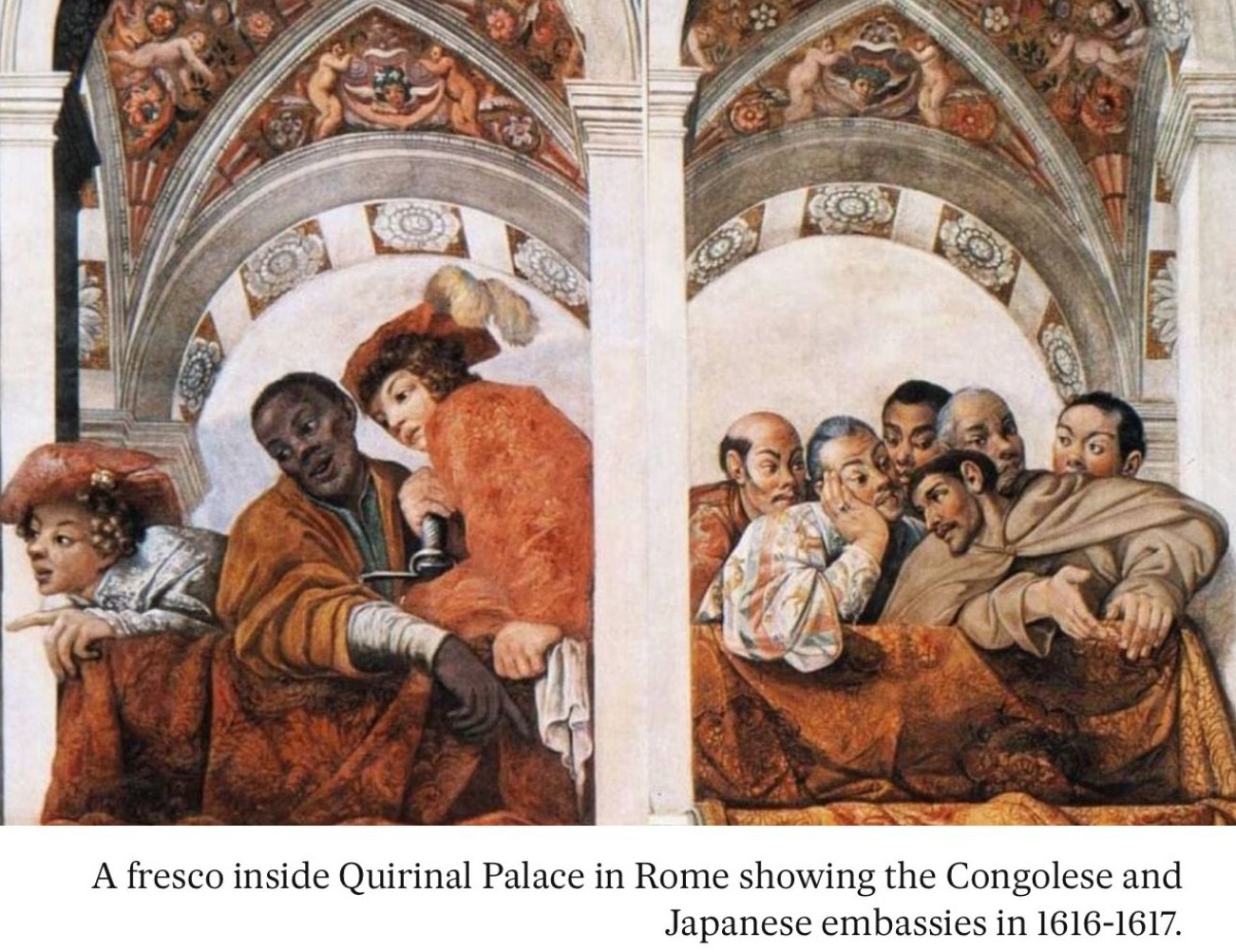
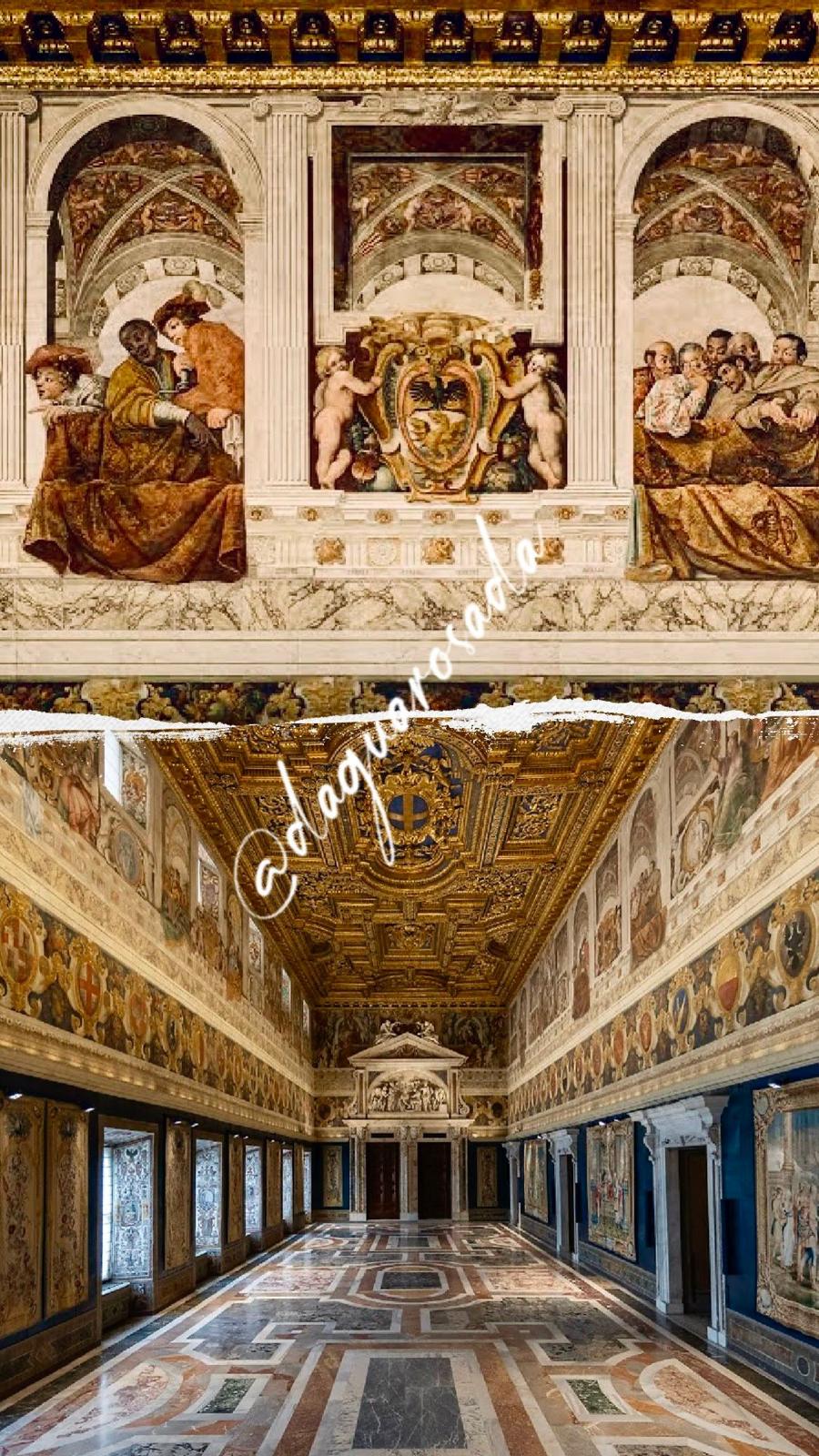
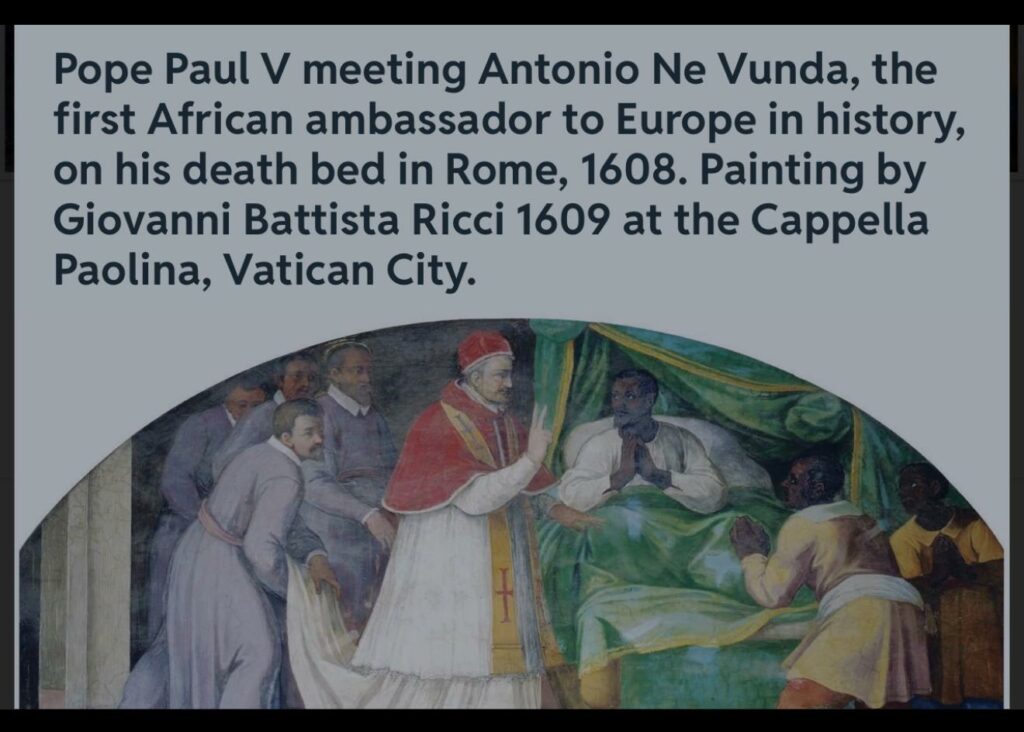
When visiting the Quirinal Palace in Rome, one discovers objects connected to this history that remain largely unknown to the general public. At the Vatican, in the Pauline Library, there is even a fresco depicting Antonio Manuel Ne Vunda on his deathbed, placed alongside the ambassador of Japan.
This is an exceptional representation, probably the only one of an African ambassador in such a context, yet very few people are aware of its existence.
Recently, when Pope Francis passed away, he requested to be buried in the Basilica of Saint Mary Major, where the ambassador of the Kingdom of Kongo is also laid to rest.
Despite the presence of many African heads of state at the funeral, no particular tribute was paid to this historical figure, who is nevertheless directly linked to African diplomatic history.
However, there is now an opening. After several contacts, the Vatican agreed to make information about the ambassador, his journey in Rome, and his tomb more accessible. It was even proposed to collaborate with the authorities of the Democratic Republic of Congo to better promote this history and possibly organize annual commemorations.
Antonio Manuel Ne Vunda’s journey represents a struggle for the sovereignty and dignity of the Kongo.
Interview with Professor José Rivair Macedo
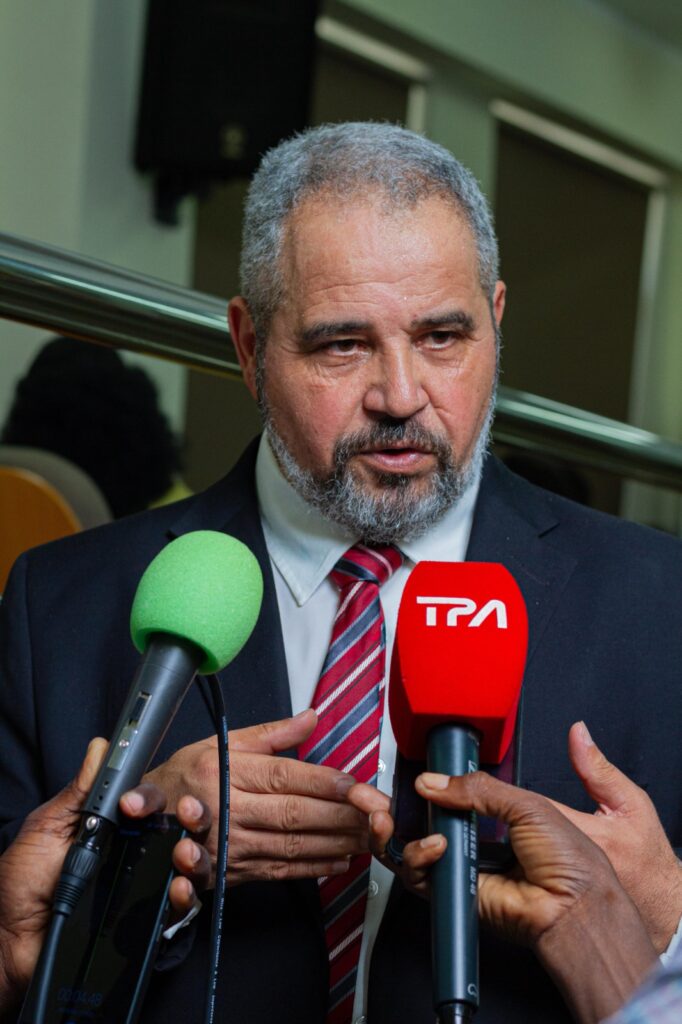
A university professor in Brazil specializing in the history of ancient African societies, José Rivair Macedo’s research focuses in particular on the relations between the Kingdom of Kongo and Rome in the 16th and 17th centuries, especially through the archives preserved in the Vatican Apostolic Archive.
The Congo was colonized by Belgium, but the Portuguese were present long before. How can we explain that they were not the ones who colonized the Congo?
It is important to distinguish between two historical periods. Contacts between the Congo and Portugal date back to the late 15th century. For several centuries, from the 16th to the 18th, these relations were continuous: diplomatic, commercial, religious, and cultural. However, these interactions did not result in direct colonization. At that time, the Kingdom of Kongo was a structured, Christian, and politically autonomous state. Its rulers maintained diplomatic relations with European powers, particularly with the papacy. The objective was not submission, but rather to assert their sovereignty on the international stage. For example, exchanges with Rome, through ambassadors such as Antonio Manuel Ne Vunda, clearly demonstrate this desire to exist as a fully-fledged political actor.
Colonization as we understand it today is a much later phenomenon, emerging in the context of the 19th century and the “Scramble for Africa.” It was within this framework that powers such as Belgium imposed colonial domination over the territories of the Congo. Thus, the Portuguese did not colonize the Congo in the early modern period, but they did play an important role as intermediaries, partners, and sometimes agents of influence.
The historical sources we use today, missionary accounts, drawings, correspondence, largely come from these early contacts. These documents, preserved in Europe, now constitute an essential foundation for reconstructing the history of precolonial Congo.
Were there Congolese ambassadors sent to Portugal? Or Portuguese, or even Roman, ambassadors sent to the Congo?
The history of the Kingdom of Kongo is often told from the perspective of European powers, particularly Portugal, Belgium, and France. In reality, however, these relationships were bilateral and diplomatic.
Yes, there were indeed exchanges of ambassadors. Representatives of the Kingdom of Kongo were sent to Europe, notably to Portugal and to Rome. The most famous example is that of Antonio Manuel Ne Vunda, who was sent to the Pope. Conversely, missionaries, religious representatives, and European envoys were also present in the Congo. It is also important to consider a key political factor: at the end of the 16th century and the beginning of the 17th century, Portugal and Spain were united under the same crown. This explains why a significant portion of the archives on the Congo is now located in Spain, particularly in the Archivo General de Simancas. Other essential documents are preserved in the Vatican Apostolic Archive.
Some Kings of Kongo, such as Álvaro II of Kongo and Álvaro III of Kongo, established direct contacts with the Vatican. Their objective was to have the Kingdom of Kongo recognized as a sovereign Christian kingdom, on equal footing with European kingdoms. This approach partly conflicted with the Padroado system, which granted Iberian crowns, especially Portugal, significant control over the organization of the Church in overseas territories.
However, the Kings of Kongo sought precisely to bypass this dependency by establishing a direct relationship with the Pope, without going through Portuguese intermediaries. These diplomatic exchanges show that the Kingdom of Kongo was an active participant in complex international relations, with its own political and religious strategies.
This system worked effectively in Angola, which had been a Portuguese colony since the founding of São Paulo de Luanda. But this model did not correspond to the Kingdom of Kongo, which was a sovereign and independent kingdom. The Kings of Kongo therefore sought to obtain direct recognition from the Vatican of their Christian sovereignty.
This perspective allows us to rethink the history of the Congo differently: not merely as a colonial history, but as the history of an African Christianity whose origins date back to the late 15th century.
To answer your question more simply: if the Congo was ultimately colonized by Belgium, this is mainly explained by the agreements between European powers at the Berlin Conference. It was at that moment that African territories were divided among colonial powers.
In this context, King Pedro V of Kongo signed a protection agreement with Portugal, with the aim of avoiding direct conflict with Belgian ambitions. However, this agreement was interpreted differently by Portugal, which used it to assert a form of vassalage over the Kingdom of Kongo, something that was not the original intention. It is essential to understand that the colonization of the Congo was a relatively late development.
What were the relations between the Kingdom of Kongo and Europe?
For several centuries, beginning with the arrival of Diogo Cão in the late 15th century, relations between the Kingdom of Kongo and Europe were primarily diplomatic, commercial, and religious, not colonial. Effective colonization only began at the end of the 19th century, after the Berlin Conference. Before that, the Kingdom of Kongo remained a sovereign state, even though it experienced a gradual reduction of its territory.
For example, the capture of Luanda by the Portuguese in 1575 marked a major turning point, weakening the kingdom without bringing about its disappearance. The center of power remained around Mbanza Kongo (also known as San Salvador).
Tensions between the Kingdom of Kongo and the Portuguese established in Angola led to military conflicts, one of the most famous being the Battle of Mbwila. This clearly shows that the relationship was not one of passive domination, but rather a balance of power between competing states.
Another key point concerns archives. A large part of the history of the Congo is preserved in Europe, particularly at the Vatican and in Spanish and Portuguese archives. Moreover, during the transfer of the Congo Free State to Belgium, Leopold II is said to have ordered the destruction of part of the archives. This suggests an intention to erase certain historical traces, especially those contradicting the narrative of a “civilizing mission.”
In summary, before the late 19th century, the Congo was recognized as a sovereign state in international relations. Colonization is therefore not the starting point of its history, but rather a late rupture that profoundly transformed, and partly erased, a rich diplomatic and political past.
Who was Antonio Manuel?
Antonio Manuel Ne Vunda is considered the first Black ambassador to the Vatican. He died at around the age of 33, after leaving the Congo at 29. He is described as young and well-built, and his prestige is evident in diplomatic records.
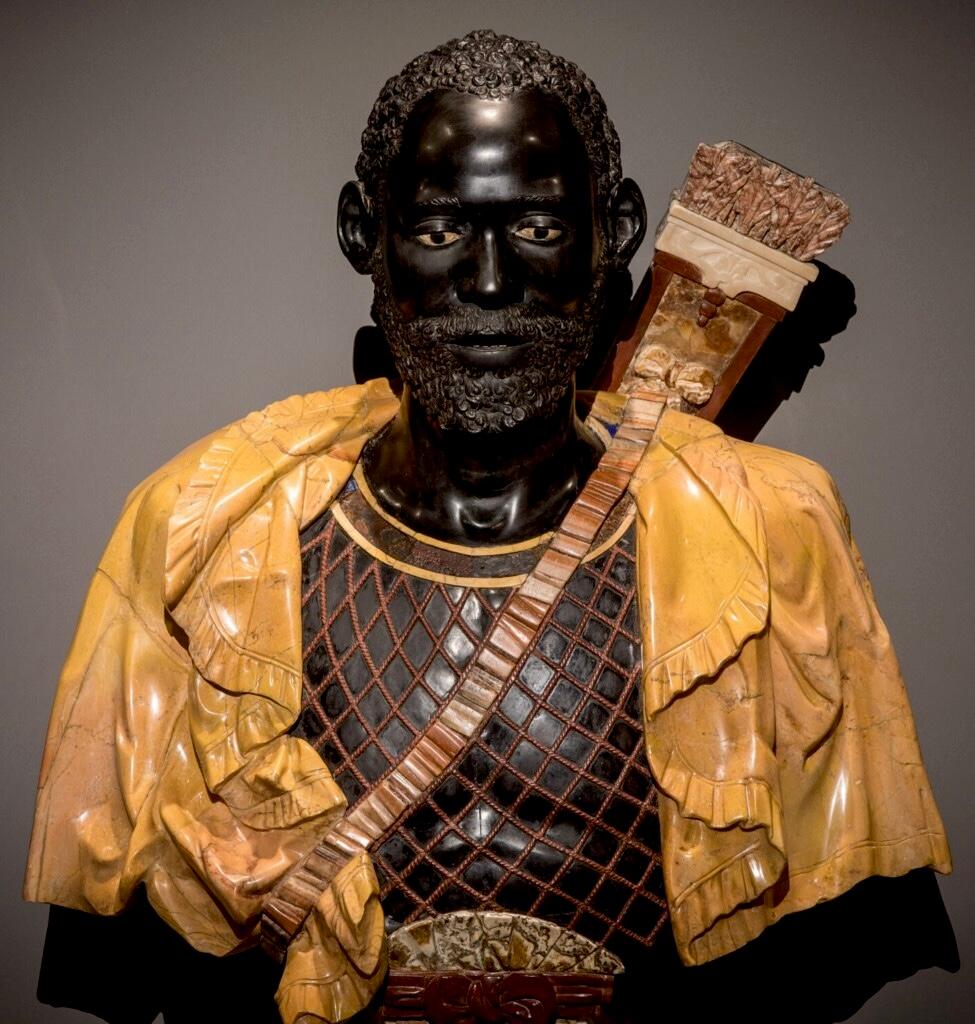
He came from the nobility, close to the Mani Kongo, and was likely a cousin or nephew of the king. His selection as ambassador was therefore no coincidence: it was a strategic diplomatic mission entrusted to a person of great trust. His main task was to represent the Kingdom of Kongo at the Vatican and to defend the sovereignty of his kingdom.
Was he the first ambassador of the Kingdom of Kongo to Europe?
Antonio Manuel Ne Vunda is considered the first ambassador of the Congo to the Vatican, but he was not the first Congolese diplomatic envoy to Europe. As early as 1483, following the arrival of Diogo Cão, a Congolese delegation was sent to Lisbon to establish relations with Nzinga a Nkuwu. This first mission marked the beginning of a long diplomatic tradition between the Kingdom of Kongo and Europe.
After that, there were several other ambassadors and envoys. For example, Diogo Gomes was sent around 1520. There were also complex situations, including the theft of gifts sent by the King of Portugal to the Mani Kongo in São Tomé.
Ambassadors came from diverse backgrounds—some were African, others Portuguese, and some were even Portuguese who had become naturalized Congolese. There were also mixed marriages, although this reality is rarely highlighted in traditional historical narratives.
The case of Antonio Manuel Ne Vunda perfectly illustrates the complexity and richness of Congolese diplomacy in the 17th century. Álvaro II mentions in his documents issues such as visas, exclusions, and the management of disputes between Portuguese and Congolese individuals. This clearly shows that diplomacy was structured and organized long before European colonization.
What was Antonio Manuel’s mission?
Antonio Manuel’s diplomatic mission is all the more remarkable because it was a dual mission: while he traveled to the Vatican, García Batista was sent to the King of Spain to obtain political support. The goal was to bypass the pressures exerted by Portugal and Spain, which were attempting to block international recognition of Congolese sovereignty.
Antonio Manuel’s credential letter was written by Álvaro II on July 3, 1664, presenting him as ambassador to the Pope and García Batista as envoy to Spain. Antonio Manuel’s role was to pledge allegiance to the Pope while defending the interests of the Kingdom of Kongo as a sovereign Christian kingdom.
Which route did he take before reaching the Vatican?
The mission of Antonio Manuel Ne Vunda passed through Brazil, where he took part in the liberation of Pedro Mambala, a Kongo nobleman who had been enslaved there. Among António Manuel’s correspondence is a manumission letter granted to Pedro Mambala, who had been sold as a slave at the port of Luanda in Angola. The document states that the seller repented of having illegally sold him. It also includes a declaration by Belchior Garcia Rebelo, a resident of Pernambuco and former owner of Pedro Mombala, who claimed to have freed him in exchange for another slave sent by Manuel Cordeiro, who had sold him unlawfully.
This episode forms part of broader efforts by the kings of Kongo to free people from their kingdom who had been illegally sold into slavery. For instance, during the 1595 diplomatic mission led by António Vieira, one of the key issues addressed in Lisbon and Madrid was the prohibition of the trade in Kongolese people by Portuguese traffickers. Emissaries of Álvaro II were also sent to São Tomé to buy back enslaved Kongolese individuals who had been sold illegally.
After Brazil, Antonio Manuel’s ships were attacked by Dutch and Flemish forces, reducing his delegation to six people, and then to four upon arrival in Italy.
He possessed valuable objects, a mirror, scissors, a gold chain, Iberian clothing, a sword, and the cross of the Order of Christ. His bloodstained shirt reflects the violence of the battles or attacks he endured, probably involving pirates.
His contribution to the Afro-Brazilian diaspora is considered significant. Since 2003, Brazil has included the history of Africans and Afro-descendants in its school curriculum, and Jean Vincelat describes this diaspora as “silent but very important.”
Finally, Antonio Manuel Ne Vunda can be seen as a precursor to the abolition of slavery. He likely died of poisoning between Spain and Madrid, although some documents mention pneumonia. Italian archives record medical treatments, but the exact cause remains uncertain.
As for his family, he had children entrusted to Isabelle Correa, and his delegation included women and children. There were also people of mixed heritage, such as Diogo Gomes, and mixed marriages had already been common since the time of Alfonso I. His descendants are today found in Angola, the Democratic Republic of the Congo, Gabon, and Equatorial Guinea.
What happened after his death?
After the death of Antonio Manuel Ne Vunda in Rome, he was honored with solemn funerals. His body was carried in procession through the streets of Rome, and a mass was held at the Basilica of Saint Mary Major, presided over by Fabio Biondo. Even before his death, Pope Paul V had paid tribute to him, an event depicted in a well-known fresco.
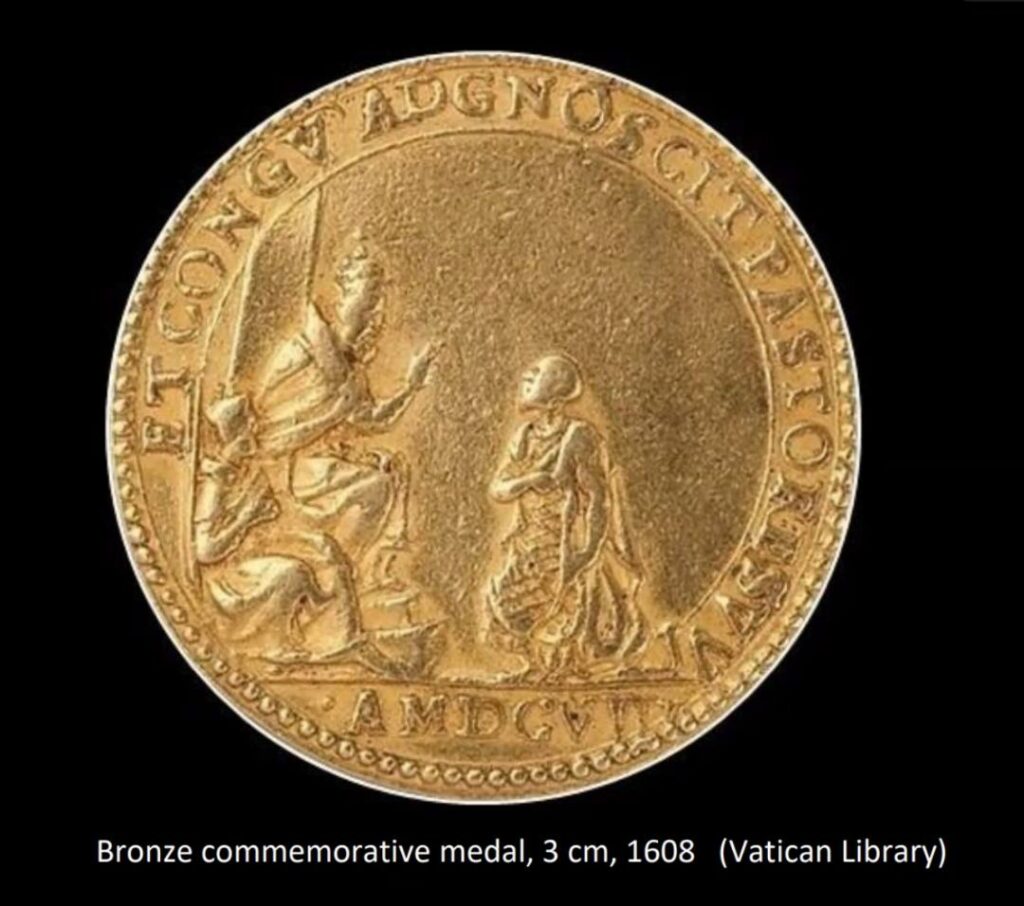
Antonio Manuel’s prestige was such that the Pope ordered a coin to be struck in his likeness, and the theologian Martinez compared him to one of the Biblical Magi, highlighting both his importance and the symbolic significance of his mission. Had he not died upon arrival, a triumphant entry into Rome had been planned for him.
Antonio Manuel had also encountered a free Congolese diaspora in Europe, particularly in Lisbon, well before the major waves of enslavement. This demonstrates that not all Kongolese people in Europe were enslaved, some held prestigious positions and actively participated in European diplomacy and cultural life.
Interview with Mawawa Mâwa-Kiese (Editor of the book)
A PhD in physics, Mawawa Mâwa-Kiese is a Congolese author, researcher, and publisher specializing in Kongo culture, the African renaissance, and historical figures.
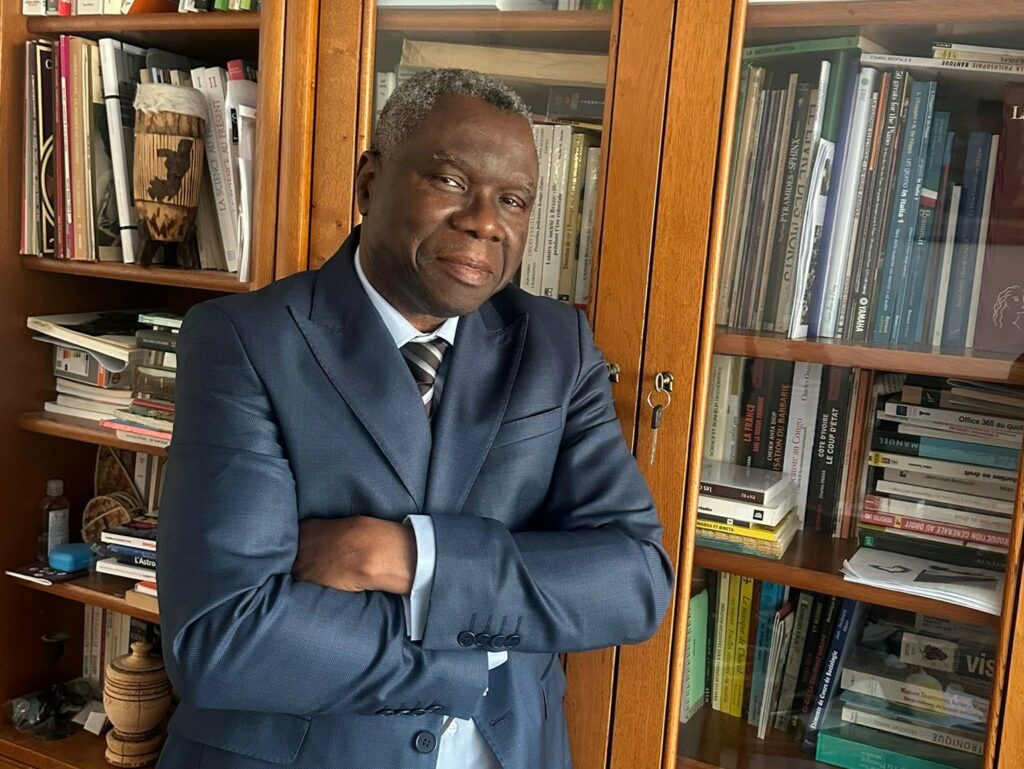
Could you introduce yourself?
Originally, I am a physicist, with a doctorate in physics. I moved into publishing after realizing that, despite my scientific knowledge, I did not know my own history. At the time, the only available references on the Congo were very limited. So, in 1990, I created a journal to give researchers a platform to express themselves, and then began publishing books from 1996 onward.
After the wars in Republic of the Congo, I returned to France, but I continued this work with one central idea: to reintegrate the history of the Congo into our intellectual and cultural productions.
How do you explain that such a work had never been published before? Is it a lack of resources or of will? And how did you meet Mona?
The issue is not simply a lack of individual will. For a long time, universities in both Congos operated within a framework inherited from colonization. They mainly taught European history, and very little about precolonial Congo. There was also a form of intellectual blockage, this history was underexplored, sometimes even avoided. Yet the Kingdom of Kongo had maintained relations with Europe as early as the 15th century.
For me, the turning point came in 2010, during a trip to Rome. There, I discovered the figure of Antonio Manuel Ne Vunda (also known as Nsaku Ne Vunda). Like Mona, I was deeply struck, shaken, even, because I had never heard this story before.
From that moment on, I oriented my editorial work toward Congo Studies. I created the journal Congo Culture and began publishing research on Kongo society and its precolonial history. I also supported young researchers, encouraging them to explore understudied topics and publish their work. This is also a matter of editorial commitment: many publishers still refuse this type of manuscript, so we must create our own publishing spaces.
Moreover, the most advanced research on Kongo culture is often found in universities in the Americas rather than in Europe.
It was in this context that I met Mona. She sent me a very large body of documents. As I read them, I immediately understood the value of her work. However, it was impossible to publish everything in a single volume. So we decided to structure the project. I suggested starting with the story of Nsaku Ne Vunda, which already provided a solid foundation. From this first narrative, we could then expand into other themes in subsequent volumes.
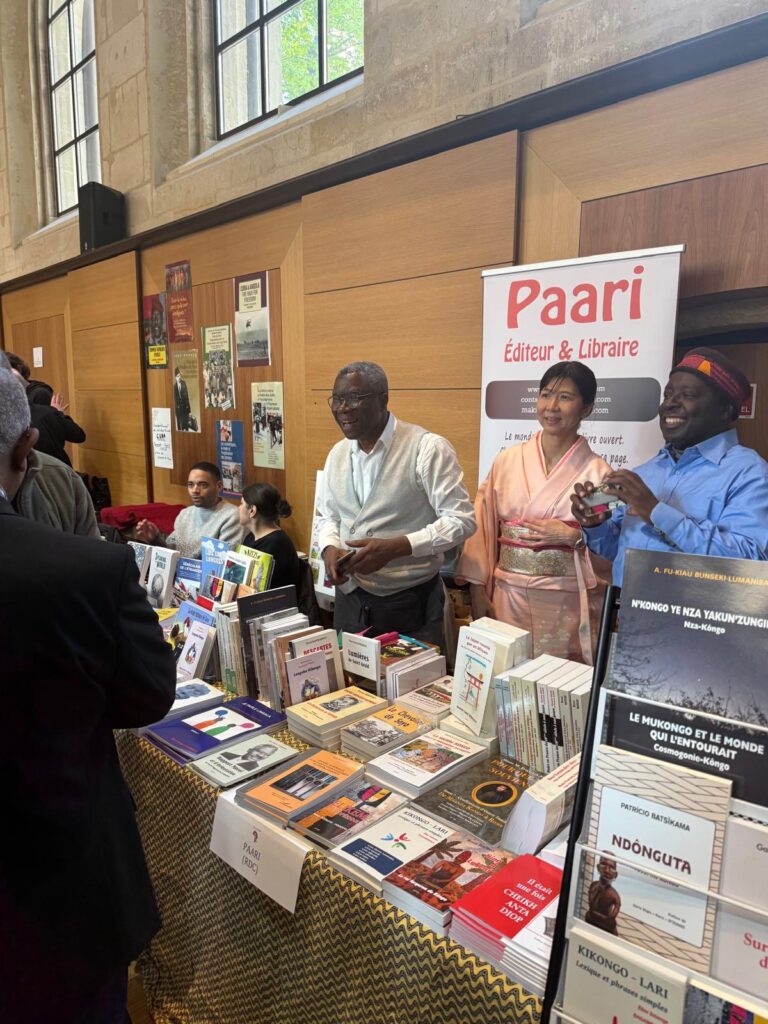
What strategy have you put in place to promote this book, especially among young people and in African schools?
Our main strategy is to approach official institutions. For us, the priority is to integrate this book into school curricula.
A book truly gains impact when it becomes part of education. From that point on, it circulates naturally, it is studied and passed on. This is therefore a major challenge, but also a real struggle for us as publishers. We want to offer content that directly concerns us, that tells our own history. That is why we are committed to producing and publishing our own works, rather than depending entirely on external structures.
For example, in France, I have already been advised to abandon this type of project and instead work with established publishing structures. But I believe it is essential that we develop our own themes and narratives.
There are international funding opportunities, particularly through institutions such as the World Bank, to support the production of schoolbooks in Africa. But who actually receives this funding?
It is often Belgian or French publishers, who produce their own books for African school programs. These funds almost never go directly to local African publishers.
This is therefore another struggle we must take on, together with political leaders and institutions. The challenge is to direct these resources toward content that truly reflects and values our history.
The book will be released on the 18th and will be available online and in bookstores. It is an illustrated work priced at €50. To make it accessible in Africa, governments would need to include it in school programs so that it can be ordered in large quantities at an affordable price.